
Energy Efficiency in Confectionery Production
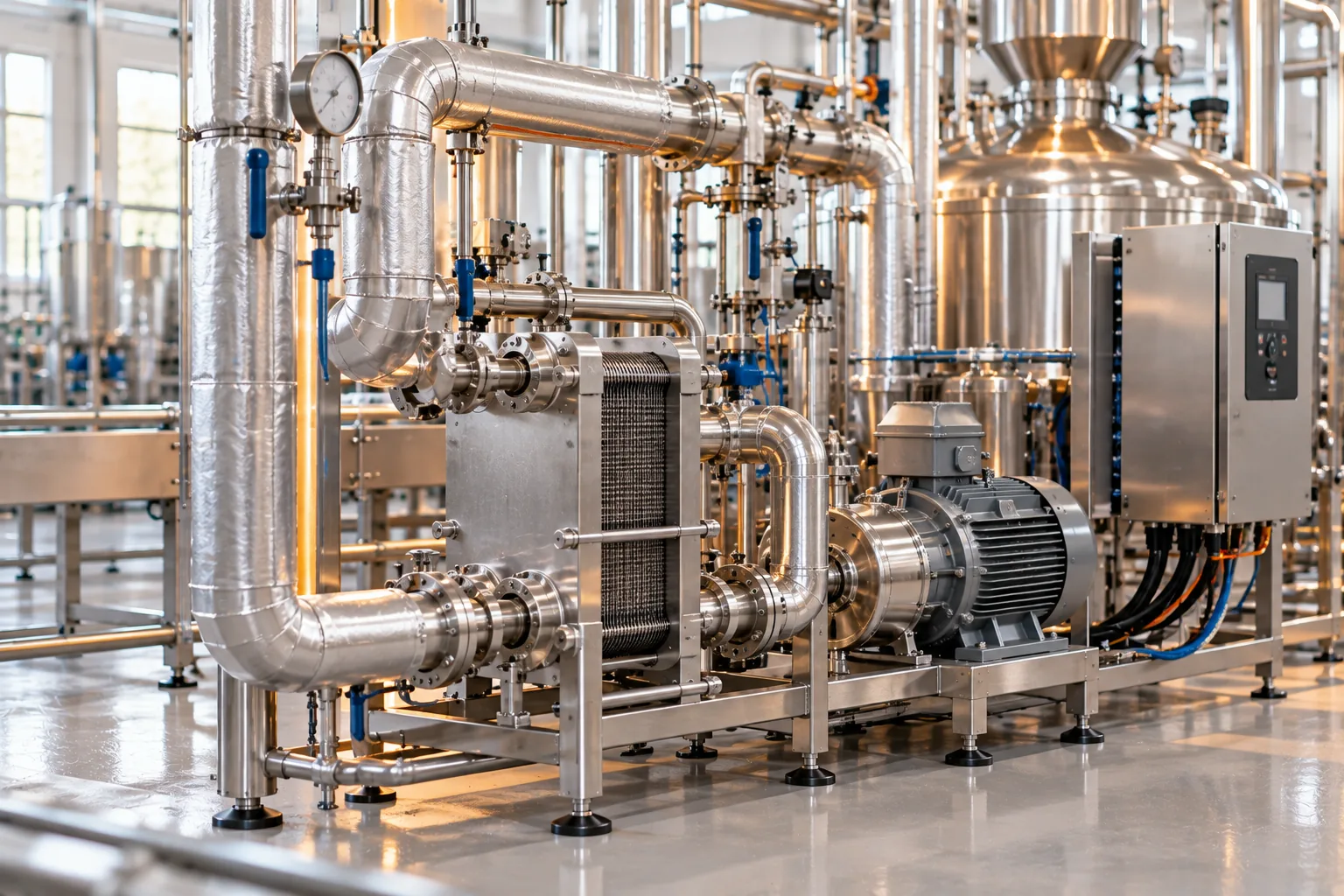
Confectionery production is an energy-intensive process because of cooking, cooling and climate control. The way to reduce energy consumption starts with knowing where most of the energy is used.
On a confectionery line, energy is spent on two opposing tasks: heating the product and then cooling it. The balance between the two, together with the control of ambient conditions, makes up the bulk of total consumption.
Where the Energy Goes
- Cooking: The heat needed to evaporate water.
- Cooling: Cooling table, cooling tunnel and cooling water.
- Climate control: Controlling the cooling and packaging areas so the product does not absorb moisture.
- Compressed air: Pneumatic cylinders and air blowers; leaks cause major losses without being noticed.
- Motors: Conveyors, fans and pumps.
Ways to Save
| Area | Measure |
|---|---|
| Cooking | Insulating the kettle and piping, adjusting heating power in stages according to demand |
| Motors | Adjusting speed to demand with a VFD, high-efficiency motors |
| Compressed air | Regular leak surveys, not operating at higher pressure than necessary |
| Standby | Switching machines to standby mode when there is no production |
| Heat recovery | Using waste heat for water heating where possible |
You Can't Manage What You Don't Measure
Without measuring energy per line, or even per machine, there is no way to know which improvement is working. "Energy per kilogram", obtained by dividing energy consumption by the amount of product produced, is a useful indicator for comparing different periods and shifts.
The cheapest energy is the energy you don't use: an idling fan or a leaking air line runs up the bill without contributing to a single product.
We treat energy efficiency as part of machine design. Talk to us about your project.
Let's find the right solution for your project
Tell us what you need and we will propose the most suitable machine or manufacturing solution.